PART I2 CH.
Start Here: The Jewelry Box Triage
- The 10-Minute Sort That Finds the Money
- What Never To Throw Away (Or Send To Goodwill)
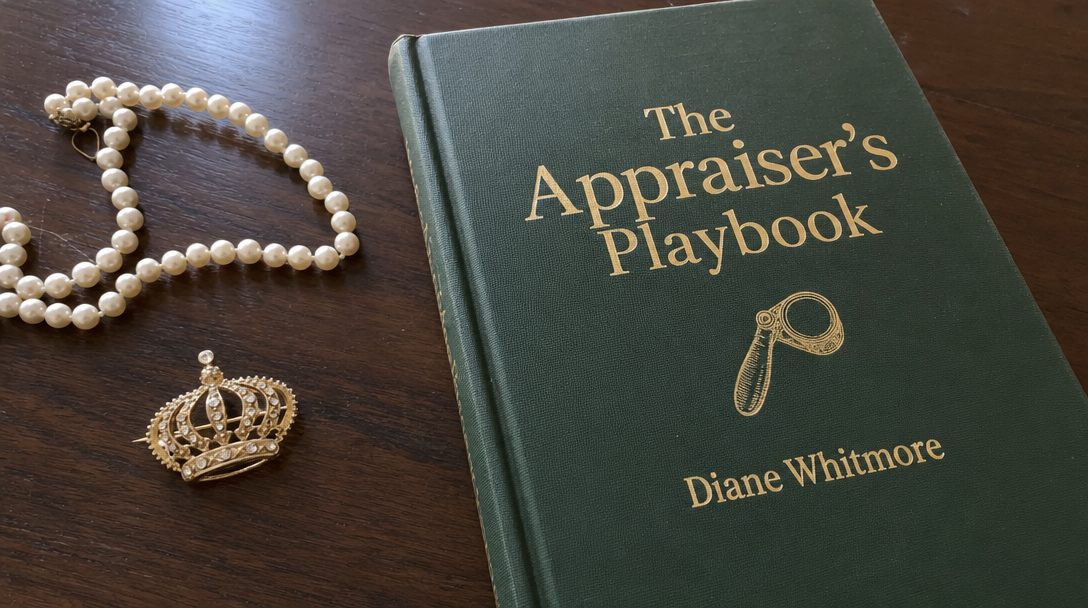
A lowball offer works for one reason. The buyer knows what your pieces are worth, and he's betting you don't. This 114-page book, full of pictures, ends that bet. Every mark to look for. Every test you can do at your own kitchen table. Every number a dealer hopes you never learn.
“This isn't a book about selling your mother's jewelry. It's a book about never letting anyone take it for less than it's worth — whether you sell one piece, insure the rest, or pass every bit of it down.”
— Diane Whitmore
Launch price $37 ends Sunday 11:59 PM · --d --h --m --s left
A TV station in Florida took one set of jewelry, appraised at $1,722, to four different buyers. The offers ran from $525 to $1,200. Same pieces. Same day. And one buyer raised his offer from $1,050 to $1,200 just because the seller pushed back. The number on the slip isn't what your jewelry is worth. It's what the buyer hopes you'll take.
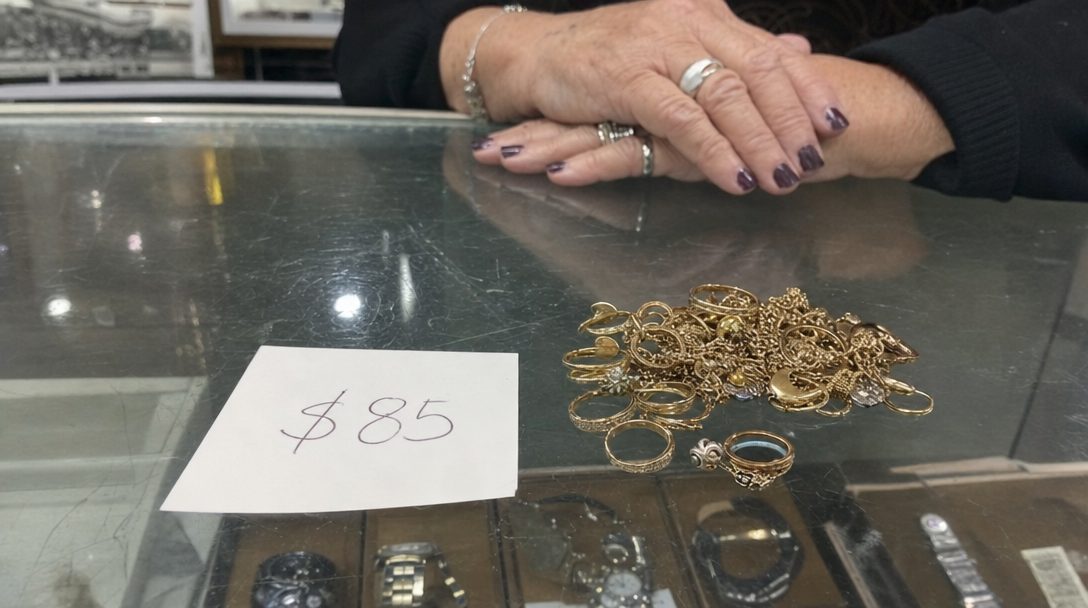
The gap between $525 and $1,200 wasn't the jewelry. It was what the seller knew.
 114 pages · PDF · 2026
Nineteen chapters in nine parts. The maker's marks that turn costume into cash. The kitchen-table tests for gold, silver, stones, and Bakelite. What dealers actually pay, where to sell, who to trust with an appraisal — and exactly what to say when the offer comes in low.
It has pictures, it's in plain English, and it's in the order you'll actually need it: sort the box first, read the marks second, and never talk price until you know your number.
See all 19 chaptersLaunch price ends Sunday 11:59 PM · --d --h --m --s left
Don't weigh this book against other books. Weigh it against what walking in unprepared can cost you. Here's the same jewelry, two ways.
Here's the whole bet. The first time a second offer beats the first one by more than $37, the book has paid for itself. Everything after that is yours to keep. And let's be plain about it — your pieces, your town, and the day's gold price all change these numbers. Nobody can promise you a number. The book's job is to make sure the number you get is the real one.
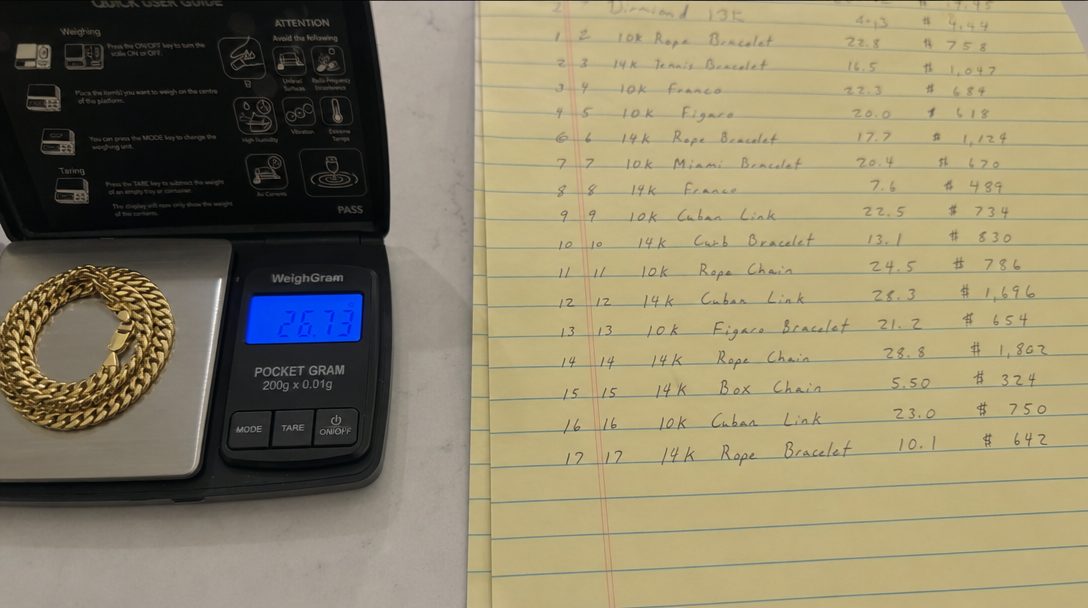
“Take one gold chain you own, weigh it, and do the math in chapter nine — before anyone else weighs it for you.”
The offer numbers above come from a Florida TV station that took the same jewelry to four buyers and filmed the offers.
The percentages are what buyers are widely known to pay. Every number changes with the piece, the buyer, and the day's metal prices.
You don't have to do all of it. Sort the box, read the marks, know your number before anyone else does — that alone changes every conversation that follows.
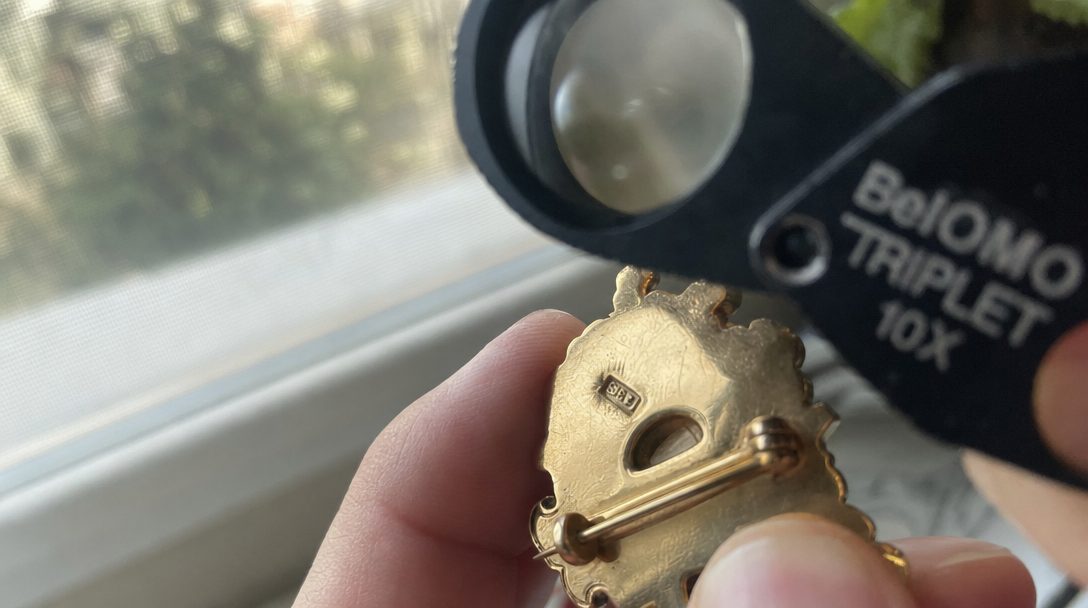
Most of what decides value is already sitting in your drawer, stamped in letters smaller than a grain of rice. A signature that reads Trifari or Miriam Haskell. A tiny 750 or 14K on the clasp. The warm-water smell test that separates real Bakelite from plastic that only looks like it.
None of it takes equipment beyond a $10 loupe and your own kitchen table. What it takes is knowing what to look for — and that's a thing you can learn in an afternoon, from a book, before you ever stand at a counter.
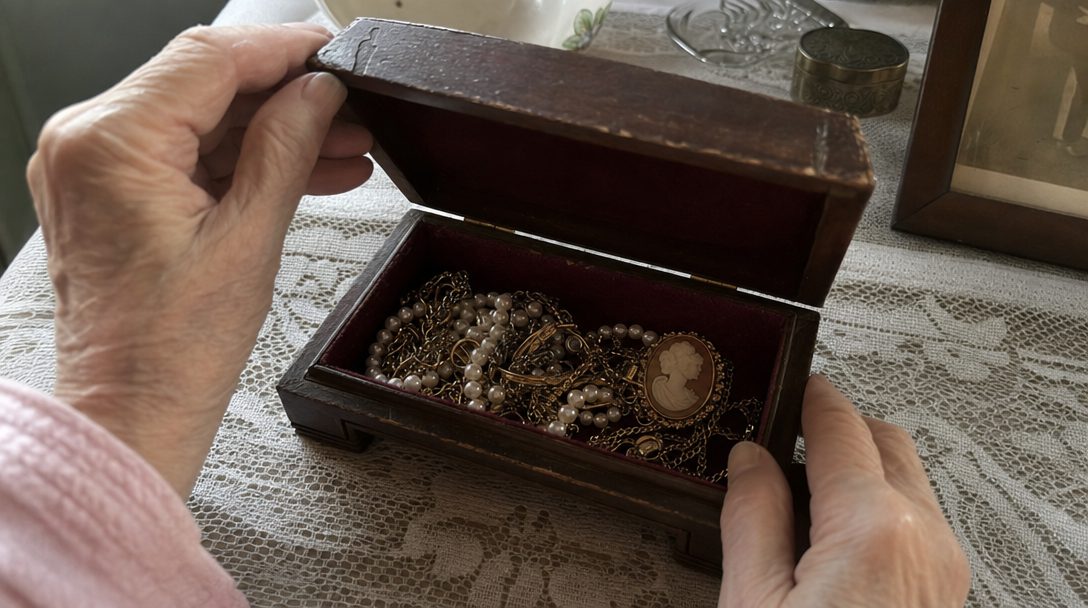
Handed-down pieces, estate sale finds, the costume jewelry your grandmother kept in the good box — the Playbook treats them all the same way: check the marks, run the tests, know the number.
These are real comments, word for word, from viewers of the channel this book grew from. They're not reviews of the book — the book is new. They're the reason it exists.
“I have ten bakelite bracelets, a pin with cherries, and a lot of Trifari. Love jewelry! Thank you.”
“Even jewelers will not give you near what your stones are worth”
“When selling jewellery you NEVER get what it's worth... The worst mistake is selling to a pawn shop. You'll get less that 50% of the value.”
“I am a boomer and have a very old cameo that I inherited from my grandmother-in-law... I have no idea where or how I could get it appraised, though.”
“I used to make headpieces for the ballet. I would roam second hand stores... Guess I need to take a second look.”
“I felt like I was playing with my Granma's jewellery, in front of her big old dressing table 60 years ago.”
Buyer results will appear here as they come in.
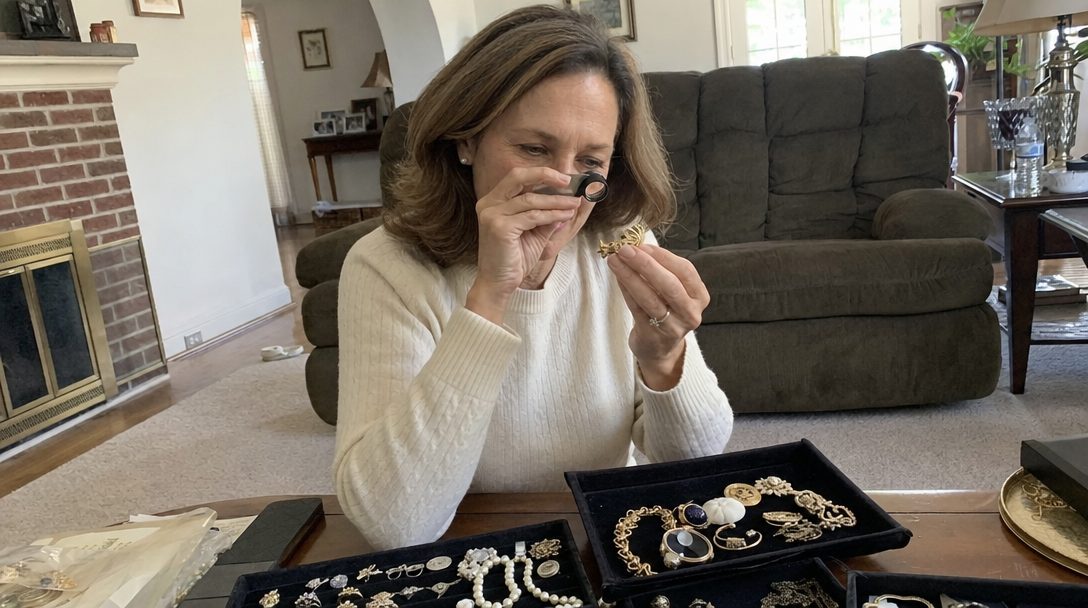
“I've spent twenty years buying estate jewelry across the Midwest. I've seen what dealers pay, and I've seen what widows accept — and I made this channel so you never take the first offer.”
I've sat on the buying side of the table. I know what dealers really pay, what they offer, and how far apart those two numbers can get when the seller doesn't know her pieces. This book closes that gap.
It's everything I teach on the channel, put in order — every test, every mark, every number, right when you'll need them.
Launch price ends Sunday 11:59 PM · --d --h --m --s left
Most of it, yes — scattered across dozens of videos in no particular order. The book puts it all in one place, in order: every test, every mark, every number, right when you'll need them — plus the fee tables and the exact words to say, which don't fit in a video. You're paying $37 to have it all together, in order, in a book you can hold open at the counter.
Then don't. Knowing what it's worth doesn't mean you have to sell it. Most readers won't sell a thing. But the inventory chapter means your family will know which pieces are real. The insurance chapter means the good pieces are covered. And if the day ever comes when something has to be sold, nobody in your family takes the first offer.
It's a plain PDF — the same kind of file a recipe or a bank statement comes in. No app to install, no account, no password, no subscription, and nothing locking it down. It opens on any computer, tablet, or phone, and you can print the whole thing and keep it in a drawer with the jewelry if you like.
That's exactly the box this book was written for. Costume jewelry with a name stamped on the back is where the surprises hide. A piece that looks ordinary, with Trifari, Haskell, or Weiss on it, can be worth many times what the plain gold chain next to it brings. Part II shows you which names matter and where to find them. The ugliest brooch in the box is often the first thing a dealer reaches for.
You have 30 days, no questions. Email Diane and the $37 comes back the same day. The Playbook stays yours either way — refund or not, you keep the book and all three bonus sheets.
The next book is already in the works: The China Cabinet Playbook — Depression glass, Pyrex, milk glass, and the rest of what's sitting in the hutch. If you own this book, you'll hear about it first — and get a discount nobody else will.
The buyer across the counter already knows what your pieces are worth. For $37, so will you — before the box ever leaves the house.
Launch price — ends Sunday 11:59 PM